

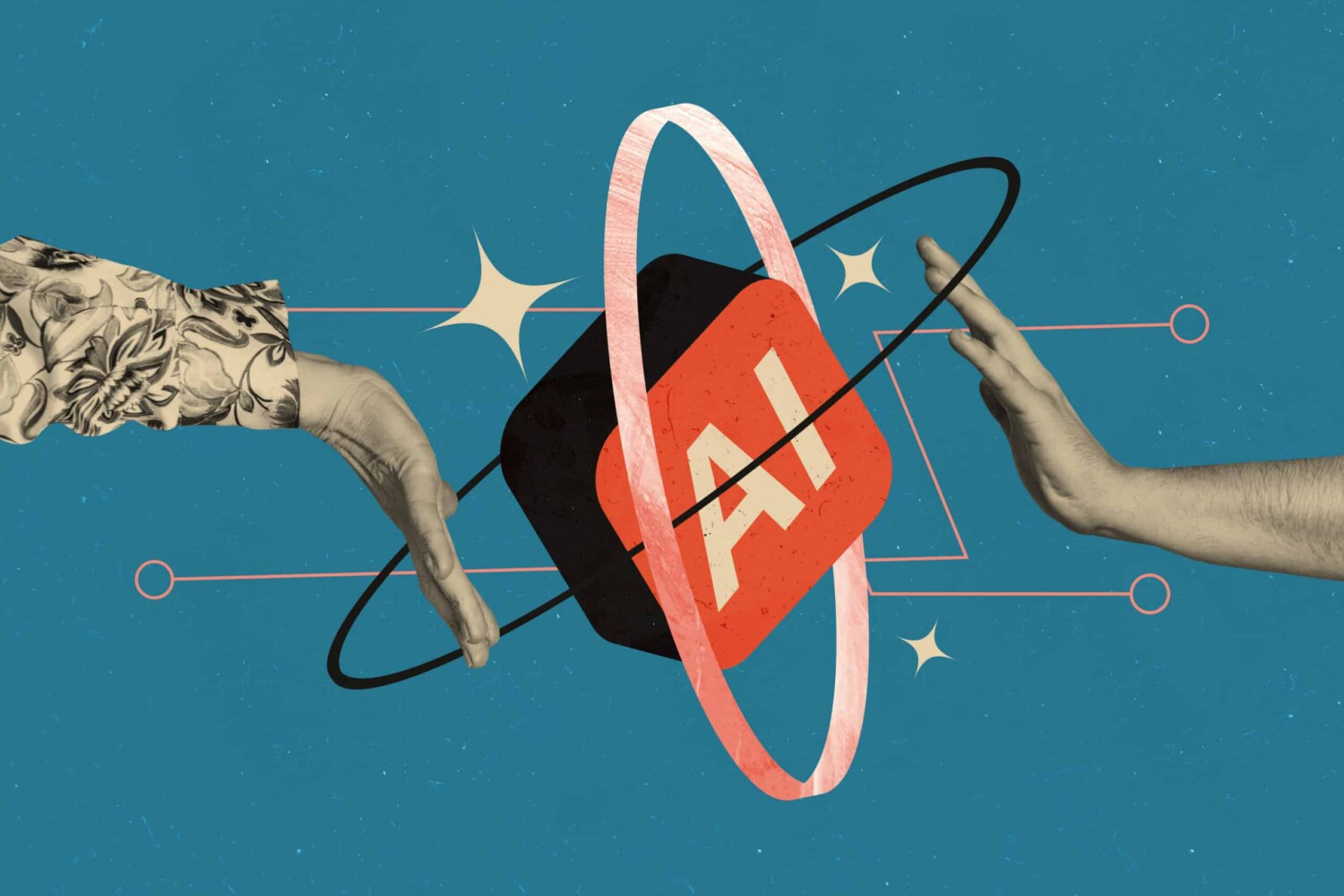
We are witnessing AI transform how we create, communicate, and solve problems in all corners of business, whether it is a non-profit or a for-profit organization. While it’s an exciting time to innovate, it’s also a necessary time to contemplate: How do we utilize and maximize these powerful tools while remaining true to our values?
As AI becomes increasingly integrated into the workflows and organizations we work with, we can find that the same technology that can help us create more inclusive designs and strategies, streamline research processes, and reach underserved communities also highlights challenges that we can’t ignore.
Why This Matters More for Us
When we’re creating for social impact, the stakes can feel like they’re running high. We support organizations that work with vulnerable populations, handle sensitive data, and provide mission-critical services—the stakes are higher. If we’re not careful, we could encounter implementation AI in a way that inadvertently harms the very people it is intended to support.
We often hear about this. A well-intentioned organization implementing AI chatbots, lacking empathy and human connection, or can’t understand cultural nuances, or use predictive models that perpetuate existing biases in their service delivery. These aren’t just technical failures—they’re ethical ones that can erode trust and cause real harm.
Now, this doesn’t mean we should avoid AI altogether. Instead, it means we need to approach it more thoughtfully, with the same intentionality we bring to inclusive design and community-centered work.
What I’ve Learned About Ethical AI Implementation
Start with Your Values, Not the Technology
Before getting excited about what an AI tool can do, I always ask: Does this align with our mission? Will this help us better serve our community? Can AI be implemented in a manner that still respects individuals’ dignity and autonomy?
I’ve found it helpful to lean into a simple values checklist for any AI tool we’re considering. If it doesn’t advance our social impact goals while respecting our ethical commitments, it’s probably not worth pursuing.
Data Privacy Isn’t Just About Compliance
Working in social good spaces often means handling sensitive information about people and vulnerable situations; therefore, when we’re considering AI tools, we need to think beyond just meeting legal requirements. Would the people whose data we’re using feel comfortable with how we’re using it?
I recommend implementing what I call “grandmother’s test”—would you be okay explaining your data practices to your grandmother (or community member) in plain language? If not, you probably need to reconsider your approach.
Testing Bias Should Be Built In, Not Bolted On
We know that AI can amplify existing biases, which is particularly problematic when we’re working to promote equity. I’ve learned that bias testing needs to happen throughout the design and implementation process, not just at the end.
We test our AI outputs and are prepared to adjust or abandon systems that produce inequitable results. Remember: fair doesn’t always mean equal. Sometimes it means acknowledging and correcting for historical disadvantages.
Keep Humans in the Loop
AI should not replace our decision-making; instead, it should enhance it, mainly when those decisions affect people’s access to services, resources, or opportunities.
I always ensure there’s a clear path for human oversight and appeal processes. If someone disagrees with an AI-influenced decision, they should be able to speak with a human who can review and potentially override that decision.
A Practical Framework We Use
Pre-Implementation Assessment
We’re sharing a structured approach for evaluating AI tools before we commit to them. We can call it an “impact evaluation process,” and it centers around four key questions:
- What communities and individuals will this technology reach?
- Where could this go wrong, and what would that look like?
- How will we know if this is working?
- What backup plans or protective measures do we need in place?
The magic happens when we bring different voices into this conversation. We ensure that we include the people who will be directly affected—community members, frontline staff, our technical team, and outside experts, when possible. Each perspective reveals blind spots that the others might miss.
Oversight and Refinement
Launching an AI system ethically is just the tip of the iceberg. The real work happens in the weeks and months that follow.
We recommend incorporating regular touchpoints into your processes, such as monthly performance reviews, quarterly user feedback sessions, and annual in-depth assessments. AI isn’t just about tracking metrics; it’s about staying connected to the human impact of our technology choices.
Feedback reveals both problems and successes—treat it as valuable intelligence. Sometimes that means tweaking settings, other times it means rethinking the entire approach. The key is building flexibility into our systems from day one.
Building Trust Through Action
Trust is everything in social good work. Our communities, donors, and partners need to know that we’re using technology responsibly. We’ve found that proactive transparency goes a long way here.
When we make mistakes—and we have—we address them openly and use them as learning opportunities.
Learning along the way
The biggest lesson I’ve learned on the subject of ethical AI is about building organizational culture, not just choosing the right tools. It requires ongoing education, diverse perspectives, and a commitment to putting values before efficiency.
Invest in training your teams not just on how to use AI tools, but on recognizing bias, understanding limitations, and critical thinking about implementation decisions and processes. An informed team is our best defense against unintended consequences.
Forward Thinking
The conversation about AI ethics in social good work is just beginning, and many teams are figuring this out as they go along. Adopting AI with the same intention that we bring to our work and community engagement allows us to remain true to our mission and values.
It’s not a journey toward perfection; instead, it’s a journey toward continuous learning, improvement, efficiency, and effectiveness. Organizations across our communities that adopt AI are the thought leaders in demonstrating how innovation and powerful tools can contribute to helping humans thrive.
By approaching AI with ethical rigor and genuine care for the communities we serve. With these tools, we can help shape a future where technology truly serves social good.
What’s your experience been with AI in social impact work? I’d love to hear about the challenges and successes you’ve encountered as we all navigate this evolving landscape together.